
Safety & Knowledge
Hub
Expert perspectives on safety footwear standards, OEM manufacturing, and industry best practices.
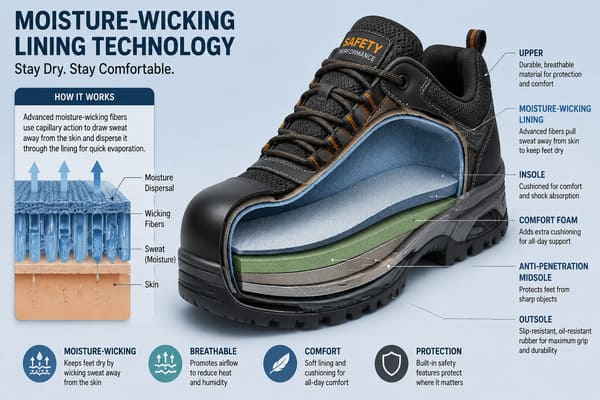
How Does a Moisture-Wicking Lining Work in Safety Shoes?
A few years ago, a German client came to me with a serious complaint. His workers had been wearing the shoes for...
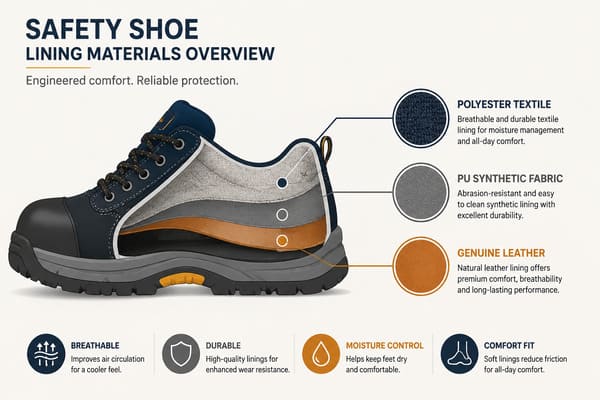
What Is the Lining Inside a Safety Shoe Made Of?
Most buyers focus on the toe cap and outsole. But it’s the lining that touches the worker’s foot for 10 hours a...
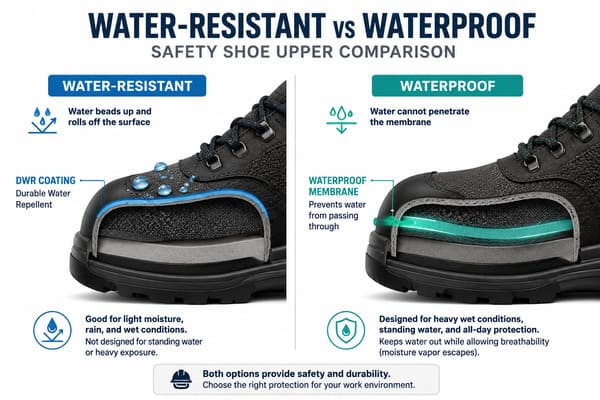
What Is the Difference Between a Waterproof Upper and a Water-Resistant Upper?
Water keeps getting into your workers’ shoes, and you don’t know why. You ordered "waterproof" shoes, but they still fail. The problem...
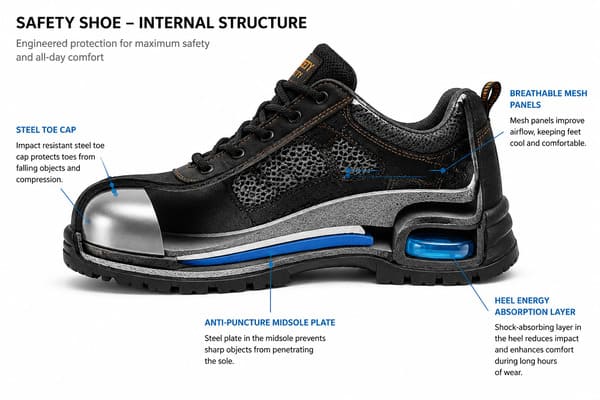
What Are Mesh Panels in Safety Shoes and Do They Reduce Protection?
A customer once picked up two shoes — one full leather, one mesh — squeezed the mesh and said, "This doesn’t feel...
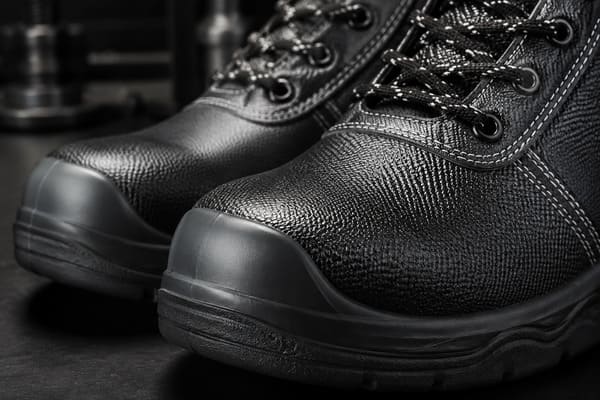
What Is PU-Coated Upper Fabric in Safety Shoes?
Most safety shoe complaints don’t start at the toe cap. They start at the upper — and the coating choice is usually...
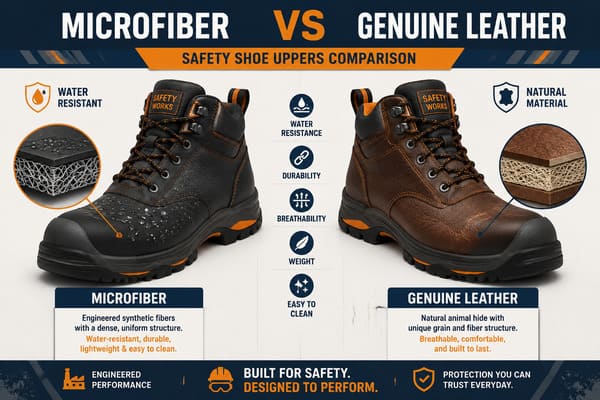
Is Microfiber or Genuine Leather Better for Safety Shoe Uppers?
Choosing the wrong upper material costs more than money — it costs trust. When a shoe fails on a job site, the...
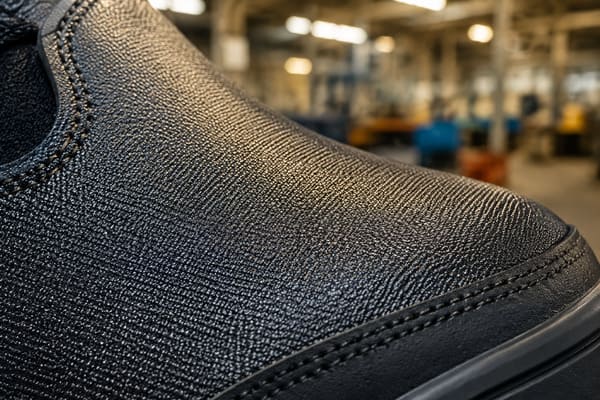
What Is Microfiber Upper Material in Safety Shoes?
I’ve been in this industry for over 20 years. When I started on the factory floor, microfiber was the material you used...
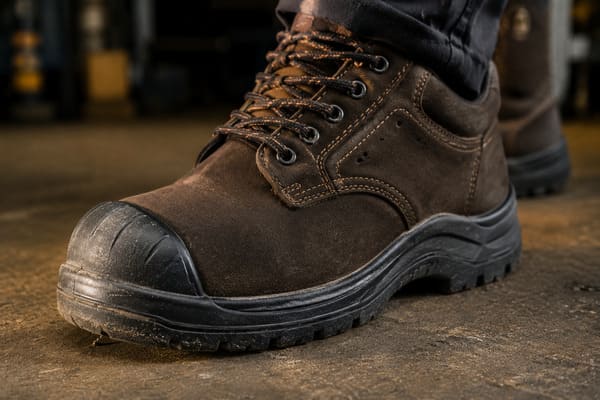
What Is Nubuck Leather and Is It Good for Safety Shoes?
I still remember a conversation I had with a buyer from the Middle East about three years ago. He had ordered 2,000...
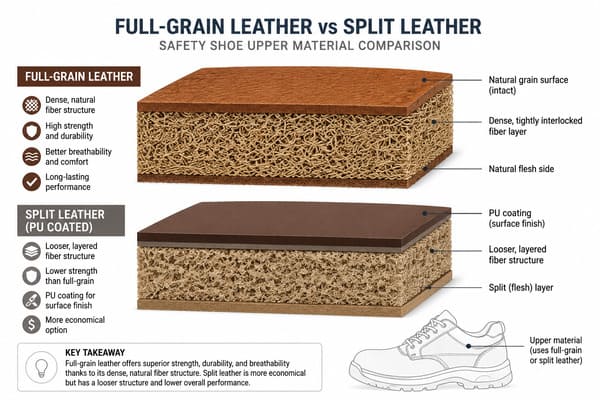
What Is the Difference Between Full-Grain Leather and Split Leather in Safety Shoes?
A buyer once sent me photos of safety shoes he’d ordered from another supplier. The toe area was peeling. The upper had...
Industry Insights
Direct to You
Get the latest on safety footwear standards, OEM trends, and Shoegan product updates -- no spam, just substance.